
Indian Festive Market 2024
Trends, Analytics, and Marketing Tactics from Janmashtami to Diwali
🙏🏻नव वर्ष की हार्दिक शुभकामनायें🙏🏻
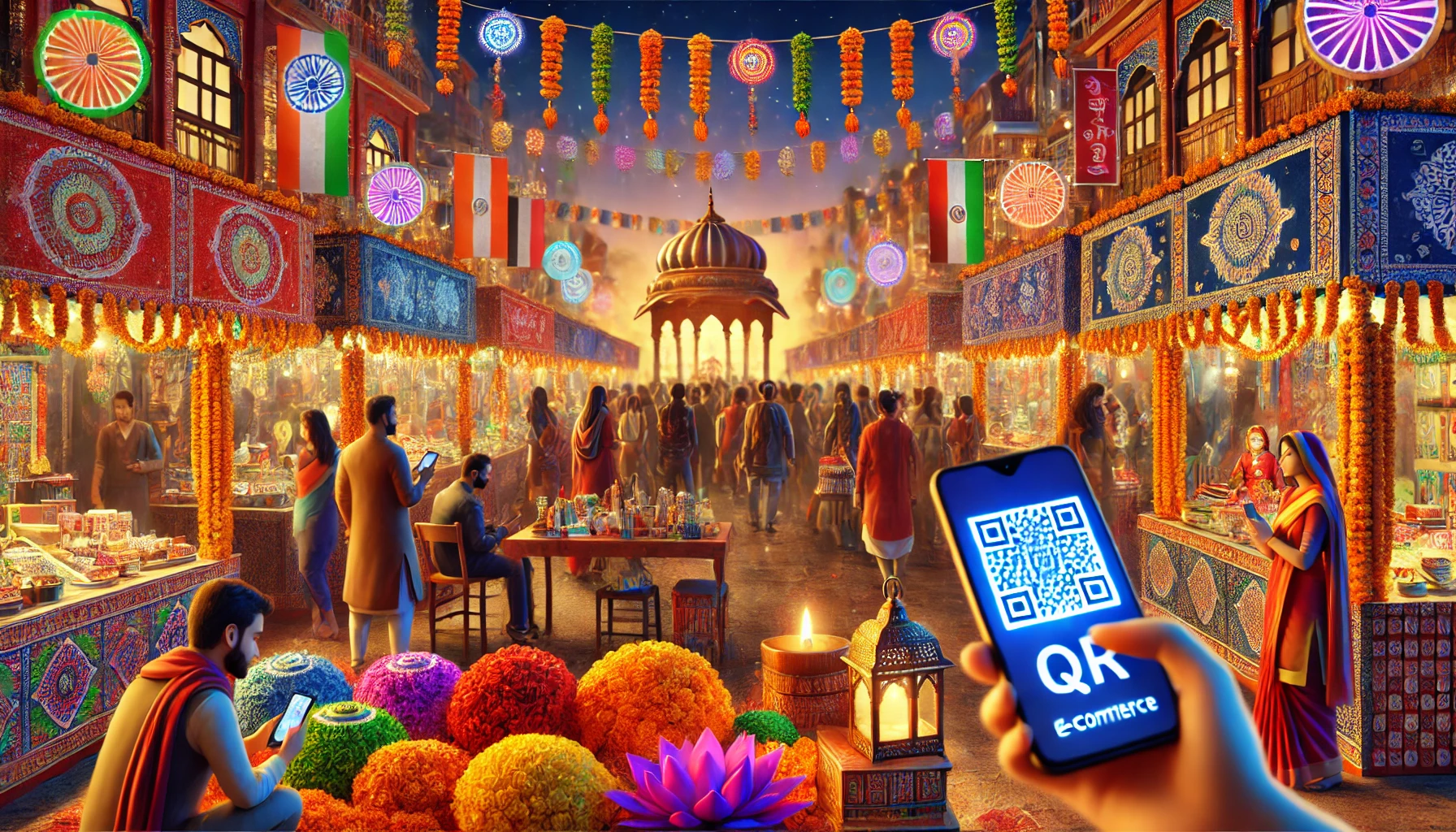
As India’s colorful holiday season climaxed from Janmashtami to Diwali in 2024, marketplaces throughout the country witnessed an astounding show of consumer enthusiasm and purchasing power. The holiday season is usually a vital time for retailers and brands, and this year, both big names and young businesses intentionally customised their products to appeal to India’s culturally varied and increasingly digital clientele.
Here, we go…
Market Overview
The Indian festival season, which runs from August’s Janmashtami to November’s Diwali, is still one of the biggest retail occasions of the year, with particularly strong growth in 2024. Consumer spending has spiked, according to market experts, with industries like electronics, fashion, and fast-moving consumer goods (FMCG) powering this growth.
Key performance indicators (KPIs)
High Growth Rate
During these months, the Indian retail market grew by up to 25%, with some segments—like consumer electronics and home appliances—growing more rapidly as they took advantage of Diwali’s connotations of gift-giving and house improvement.
Ecommerce Surge
E-commerce platforms gained a substantial portion of the industry as a result of the continuous increase in digital consumption. Notably, customers’ need for convenience and variety drove a roughly 30% growth in online sales over the prior year.
Increase in Tier 2 and Tier 3 city consumption
Both experienced significant increases in consumption in 2024, helped along by better regional marketing, internet access, and logistics.
Consumer trends and insights
Beyond driving massive sales, the 2024 festive market succeeded in highlighting evolving consumer preferences and habits. Shoppers favored sustainable products, personalized experiences, and tech-driven convenience, such as AI-powered recommendations and rapid delivery.
Key trends included
Preference for Value-Driven Purchases
Customers clearly preferred value-driven purchases in areas where inflation fears were prevalent. Brands that promoted value-added services like extended warranties or loyalty benefits, as well as those that offered reasonably priced luxury or bundle packages, gained popularity.
Sustainable and Eco-friendly Products
In 2024, festive consumers demonstrated a growing desire for eco-friendly products. Brands that stressed eco-friendliness, from recyclable décor to sustainable packaging, showed increased customer interaction, especially among younger audiences in metropolitan locations.
Influence of digital and social media
Shopping straight from social media platforms, or social commerce, has become more popular, especially on Facebook and Instagram. Digital ads and influencer partnerships successfully piqued consumer interest and closed the gap between online and offline buying.
Sales Analytics Across Key Sectors
Each industry exhibited unique consumption trends during the festive season, contributing to the broader economic surge. Retail saw spikes in fashion and electronics, hospitality thrived on travel and dining, while e-commerce recorded unprecedented sales. These diverse patterns amplified spending across sectors, driving overall growth
Best-performing categories
Electronics and Appliances
- Sales Growth: an increase in sales of almost 40% over the prior year.
- Top Products: Smartphones, televisions, air purifiers, and kitchen appliances dominated, with consumers often buying high-value items during Diwali promotions.
- Trends: Purchases of high value were encouraged by financing options and BuyNowPayLater (BNPL).
Fashion and apparel
- Sales Growth: Ethnic clothing and accessories drove a 30% increase in fashion sales.
- Top Products: Sarees, kurtas, designer lehengas, and festive jewellery were popular, reflecting India’s rich cultural diversity.
- Trends: Customers were able to trial things in-store and make purchases online thanks to the “phygital” (physical + digital) concept, which produced a hybrid experience.
Home decor and furnishings
- Sales Growth: As families made modifications to their homes, sales of home décor increased by 25%.
- Top Products: In addition to useful furniture, decorative products like lamps, candles, and handcrafted objects were well-liked.
- Trends: Local and artisanal goods became more popular, and sales of regional businesses increased noticeably.
Growth in Food and Beverage Sales
- Sales Growth: Traditional sweets, packaged foods, and snacks were the main drivers of the FMCG sector’s 18% growth throughout this time.
- Top Products: A lot of people bought gift packs, assortments of dry fruit, and festive treats.
- Trends: Health-conscious urban customers were drawn to fusion sweets and healthier snack options.
Marketing and Branding Strategies
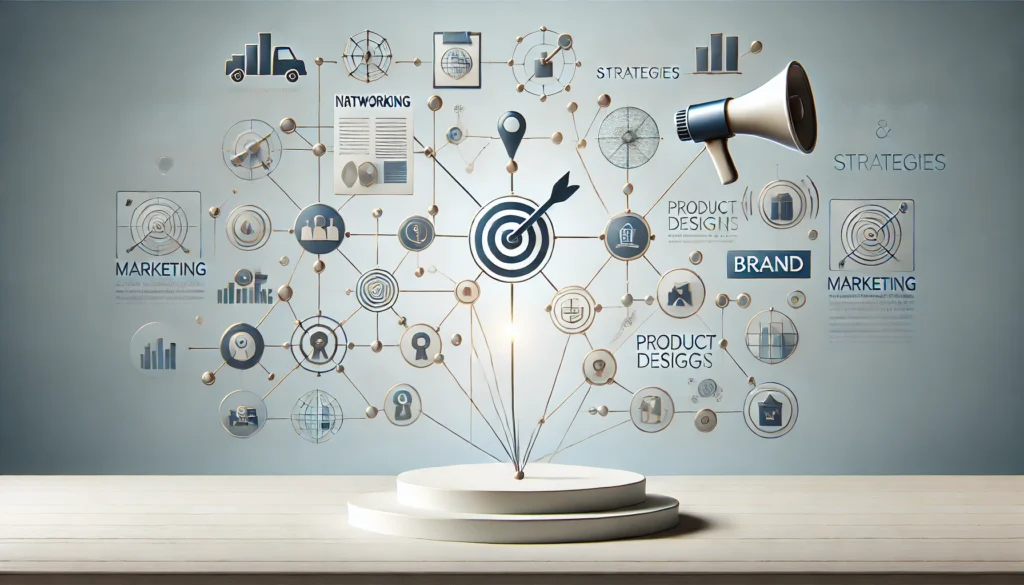
Brands effectively captured consumer attention by blending innovative and traditional marketing techniques. From immersive AR experiences and influencer collaborations to nostalgic storytelling and cultural campaigns, they resonated across demographics. Limited-edition festive collections and interactive online events further strengthened engagement, showcasing a harmonious mix of modern creativity and timeless traditions.
Notable strategies
Localisation and Regional Targeting
- By creating packaging tailored to each region and implementing vertical advertising campaigns, companies such as Hindustan Unilever, Dabur, and Marico successfully localised their products. Audiences outside of metropolitan regions responded favourably to this strategy.
- Campaigns heavily included local festival themes and regional influencers, increasing their relevance for a range of audiences.
The Strength of Influencer Partnerships
- Promotion of festive products was greatly aided by micro and macro influencers on sites like YouTube, Instagram, and even up-and-coming social media channels.
- Prominent companies worked with lifestyle and cultural celebrities that promoted their products in a fun and approachable way, which successfully increased sales and trust.
Improved Online Buying Experiences
- Popular features on e-commerce platforms like Flipkart and Amazon included virtual try-ons, AI-powered suggestions, and AR/VR-based immersive experiences.
- These innovations improved the purchasing process by lowering friction and enabling shoppers to see how things would appear in real life.
Flash sales and discounting techniques
- During flash sales, in-app engagement metrics soared and a record number of transactions were made on platforms like Amazon, Flipkart, and Myntra.
- Big-ticket products were frequently marked down by 20–40%, drawing in bargain hunters, and “festival exclusive” collections also heightened the sense of urgency to purchase.
Messages of Sustainability
- During flash sales, in-app engagement metrics soared and a record number of transactions were made on platforms like Amazon, Flipkart, and Myntra.
- Big-ticket products were frequently marked down by 20–40%, drawing in bargain hunters, and “festival exclusive” collections also heightened the sense of urgency to purchase.
Key Strategy Examples
a. Amazon’s “Great Indian Festival” Campaign
Illustrated the application of influencer partnerships, geographical targeting, and customised marketing. Millions of consumers received personalised product recommendations from the site thanks to AI, which greatly raised cart values.
Breakdown of Tactics
- They launched festival-specific marketing in many Indian languages, including Bengali, Tamil, and Hindi, to garner support from non-metro consumers in the region.
- They produced video walkthroughs of festive shopping experiences and hired influencers to promote their best offers, all of which linked straight to Amazon’s product pages.
- A record number of orders were placed as a result of the urgency produced by flash sales and exclusive packaged discounts on well-liked products including cellphones, household appliances, and festive gift baskets.
Result: Tier 2 and Tier 3 cities accounted for more than 60% of sales, and the platform’s gross merchandise value (GMV) increased by 25% year over year.
b. Fabindia’s “Crafting Traditions” Campaign
Exploited the growing need for sustainability and nostalgia-driven marketing in India by emphasising its artisanal, eco-friendly products through the “Crafting Traditions” campaign.
Breakdown of Tactics
- Fabindia positions itself as an environmentally responsible brand by promoting sustainability through the use of natural colours, organic cotton, and recyclable packaging.
- Heartwarming short films that combined traditional Indian crafts with modern lifestyle ambitions were part of the cultural narrative.
- Shops held exclusive pre-Diwali celebrations for their local community, with limited-edition festive selections and live craftsman demonstrations.
Result: Because of the brand’s commitment to sustainability and authenticity, Fabindia claimed a 30% boost in in-store visitors and a notable increase in online sales.
Looking Forward: Lessons and Strategic Takeaways
Adopt Phygital Engagement
Brands may improve both in-person and online purchasing experiences to create seamless interactions, as consumers increasingly favour a mix of digital and physical experiences.
Profit from Regional Diversity
Due to India’s varied cultural landscape, firms should keep spending money on marketing that is relevant to a given region. Adapting language, ideas, and merchandise to local audiences helps promote brand connection and loyalty.
Emphasis on Value and Sustainability
Brands that combine quality, affordability, and sustainability will probably have long-term success as value consciousness rises, particularly in difficult economic times.
Try out tech-driven innovation
From augmented reality and virtual reality to AI-powered customisation, technology will remain a vital component in improving client experiences. Effective use of these technologies by brands allows them to stand out from the competition and better engage customers.
Conclusion:
The 2024 Indian holiday market demonstrated a vibrant, dynamic economy with high consumer sentiment and firms pushing the boundaries with creative approaches. The celebrations of Janmashtami and the elaborate displays of Diwali provided an example of how to combine traditional appeal with digital-first strategies. In India’s expanding consumer landscape, firms may remain flexible and ready for next holiday seasons by comprehending these patterns and making quick adjustments.