
Core Marketing Elements: A Blueprint for Success
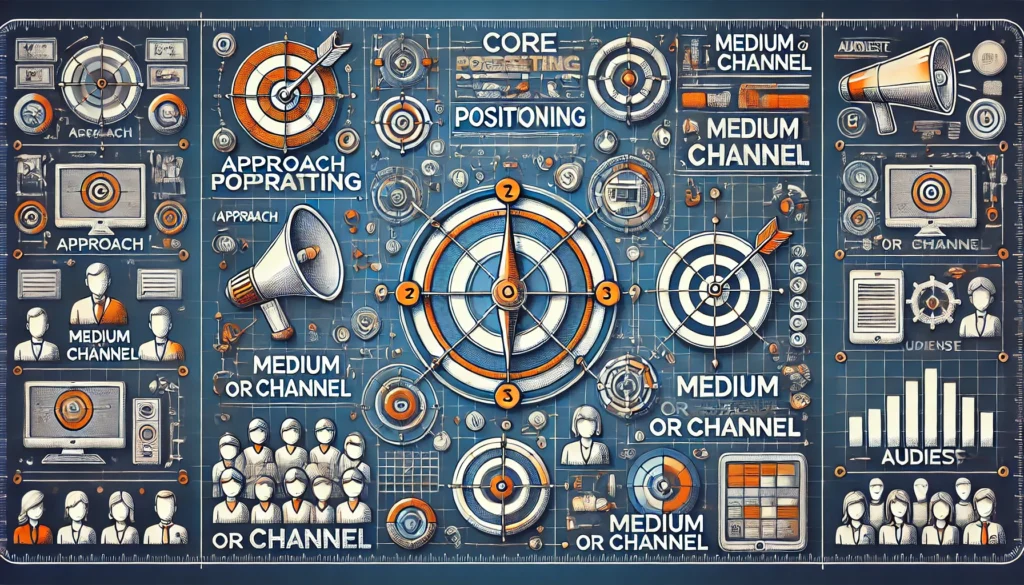
Tout business hoping to achieve long-term success in today’s fiercely competitive market landscape must grasp the fundamentals of marketing. These components serve as the cornerstone of a successful marketing strategy, directing how you interact and establish a connection with your target market.
So, essential elements…
1. Audience: The Heart of Your Campaign

Every marketing campaign’s success hinge on its ability to identify and target the right audience. Spending time, money, and resources on the incorrect customer base results in offering the correct product. It is important to concentrate on a well-defined subset of people who are compatible with your products.
Why?
A campaign’s chances of success are enormously improved if it connects with the correct audience. Having a clear understanding of your target client is crucial to crafting engaging content that encourages conversions.
Strategic Considerations:
Demographic and Psychographic Segmentation
- Cultural Relevance: Line up your offerings to the audience’s cultural background
- Purchasing Power: Recognise their spending patterns and financial capability.
- Lifestyle Compatibility: Keep in mind your offering fits in well with their way of life.
- Funnel Precision: Discover the fundamental demands that your product satisfies.
- Psychological Insight: Assess which features—comfort, quality, status, and everyday utility—are most important. Examine purchasing behaviour and methods of making decisions.
2. Positioning: Carving Out Your Niche

Each product or service holds a distinctive appearance that influences the target audience’s perception of it. Having a powerful positioning strategy is key for making a lasting impression in a crowded market.
Why?
Distinctive and strategic positioning differentiates your brand, fostering customer loyalty and improving retention rates. It’s about establishing a unique position in the consumer’s mind that sets your brand apart from the competition.
Strategic Considerations:
- Market and Competitive Analysis: Obtain a solid understanding of the competitive landscape and market dynamics.
- Alignment with Product Strengths: Ensure the placement of your product reflects its competitive advantages.
- Consumer Motivation Analysis: Recognise the main determinants of customer decisions, such as quality, price, and convenience.
- Identifying Market Gaps: Uncover unmet market demands that your rivals have failed to discover or are unable to fill.
3. Approach: Crafting the Right Message

Emotions play a major role in human decision-making; therefore, how you convey your message might possess an enormous effect on how people view your offerings. Your strategy has a critical role in shaping the way customers see you and their purchasing decisions.
Why?
A strategy that strikes an emotional chord with your target could elevate brand equity, foster word-of-mouth recommendations, and create a devoted client base.
Strategic Considerations:
- Customer mindset Alignment: Tweak your strategy to cultivate a personal and emotional connection with your audience.
- Content Strategy: Create content that truly engages viewers and impacts their subconscious decision-making by fuse current market trends with audience preferences.
- Flexibility and Adaptability:
Check that the values of your brand and your aims are reflected in the material you produce. Also, develop your communication in response to input from customers and changing requirements.
4. Medium: The Channel of Communication

How adequately your message is received depends greatly on the channels you choose for communication, which can range from digital platforms like social media to more conventional media like newspapers. While disseminating a message is simple, real involvement calls for a calculated strategy.
Why?
The preliminary phase in the client interaction funnel deals with choosing the medium, and the campaign’s performance is strongly impacted by how well this decision is executed. A carefully chosen medium increases interaction and makes it easier to go through the funnel’s latter phases.
Strategic Considerations:
- Multisensory Engagement: Absolutely incorporate a variety of senses to yield an interesting and captivating encounter, such as hearing, touching, and seeing.
- Channel Optimisation Determine which social media channels your target demographic is most active on, then adjust your messaging to appeal to them.
- Budget Efficiency: Strategic resource allocation is more important than the size of the budget.
- ROAS Assessment: Determine the Return on Ad Spend (ROAS) to assess your campaign’s financial performance.
Conclusion:
These core marketing components—Audience, Positioning, Approach, and Medium—will help you create a thorough and effective marketing plan. Every component plays a crucial role in creating a campaign that will lead to long-term success by drawing in and keeping your target client